

Beam Suntory
On-Premise North America Team
Brand Positioning
〰️
Brand Identity
〰️
Copywriting
〰️
Brand Strategy
〰️
Brand Positioning 〰️ Brand Identity 〰️ Copywriting 〰️ Brand Strategy 〰️
Brand Identity
Audience Analysis
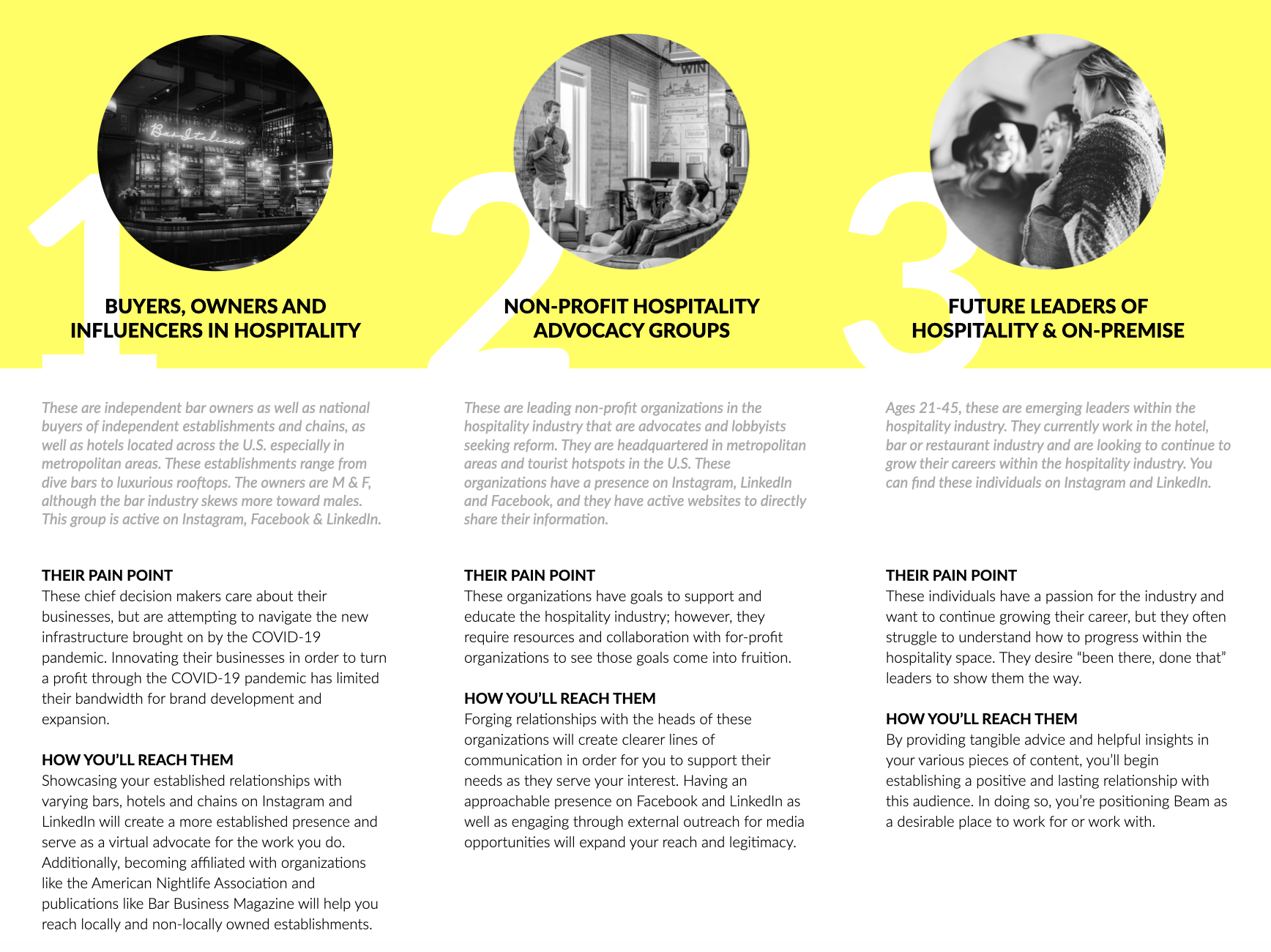
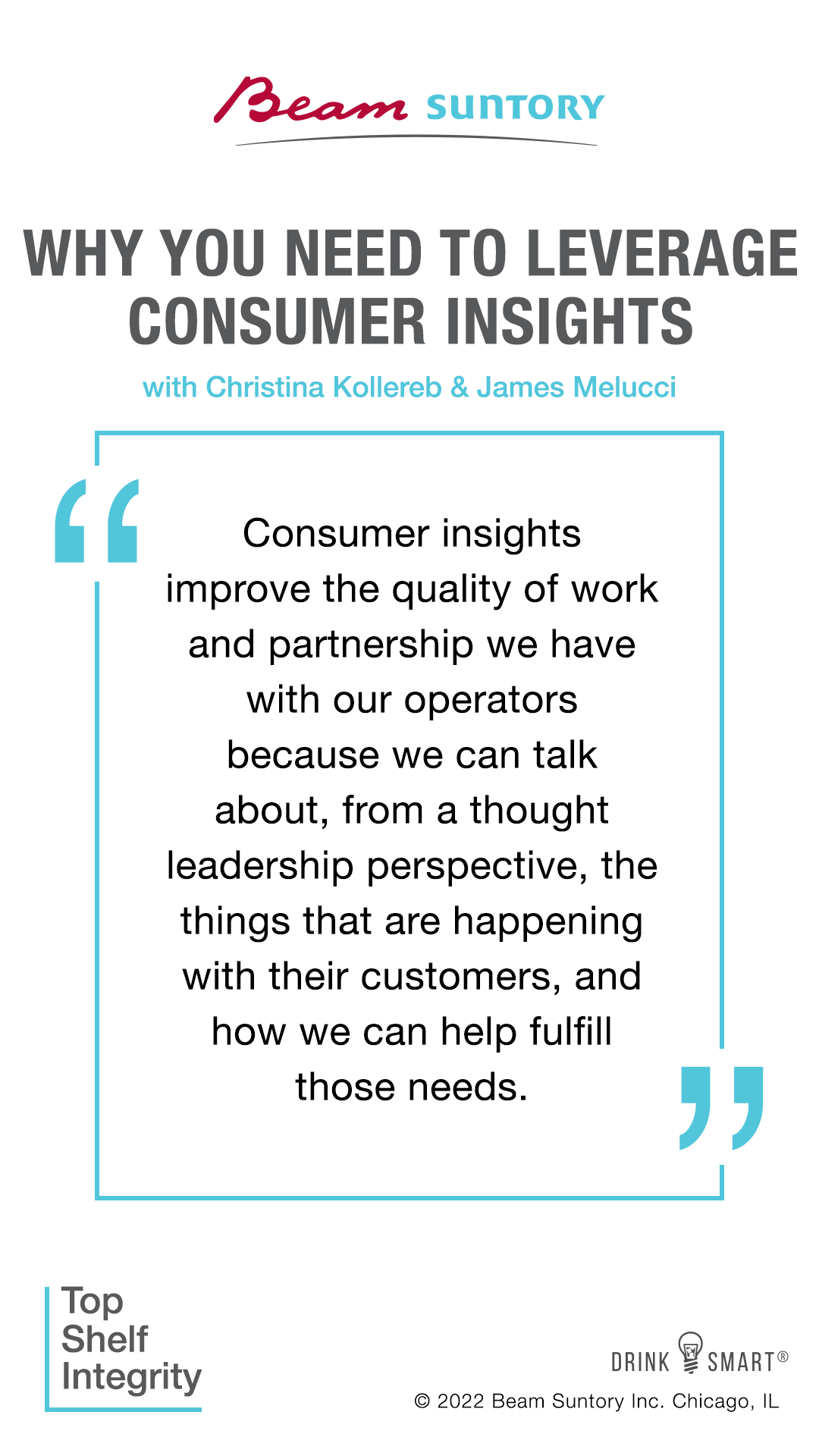

Video
Scope of work
Team Brand Strategy
16 Personal Brand Id’s
28 Podcasts
4 in-person workshops
22 Blogs
2 video Series
Blog
Creating A More Hospitable Hospitality Industry
Despite strides that have been made, a lot of bars and restaurants are still not accommodating to folks with accessibility needs. From my perspective, as someone who has worked in or alongside hospitality for over 25 years, creating these exclusive environments harms guests, and staff as well as management. No one wins. By limiting who has access to a specific space, you’re not only discriminating against a huge group of people, you’re also limiting who can work in your establishment—which ultimately limits who can spend money in it.
“So then, Robin,” you say, “how can we make our spaces more accommodating? We want to do better!” Amazing! The first part of addressing ableism in your restaurant or bar starts with the awareness that ableism permeates every part of our culture. There’s a whole spectrum of disabilities—both visible and invisible—which makes this issue highly complex. Therefore, addressing disparities in YOUR establishment to make more accommodating spaces must be similarly comprehensive.
That said, don’t fret! Below I share a few things that go a long way in making a bar or restaurant feel more welcoming to ALL manner of people (and isn’t that what hospitality is all about):
1. Provide Your Staff Bystander Intervention Training
Put simply, Bystander Intervention Training is a type of training used to educate people on what to do if they see harassment of any kind going on around them. It arms your team with knowledge of what to do, not just in general instances of harassment, but specific types of situations from verbal harassment to sexual assault, and yes, ableism. This should be something that anyone who works with alcohol ought to go through for obvious reasons, but it really should be one of the first things you invest in for your staff if you’re looking to make your space feel more welcoming to others.
2. Designing Your Establishment with Access Needs In Mind
A huge area that owners can improve upon is the physical layout and design of their establishments. Especially in cities, it is common for bars to be too high, space between tables as well as space behind the bar to be too narrow, and in many cases without proper accommodation for physically disabled guests to even get into the space in the first place.
Some places have tried making changes by giving more space behind the bar, and offering a lower section that wheelchair users and those with spatial disabilities can sit at. There’s still a long way to go, though, so when you’re making changes yourself, look to innovators in thespace of disability-friendly bars and restaurants as well as current ADA guidelines to help inform your decisions.
3. Create a More Disability-Friendly Culture
You set the culture of your establishment. If your place is attracting unfriendly people, there’s something that you’re doing that’s making them feel welcome to be that way. Creating an environment that values patience and empathy sets the tone for a clientele who will do the same because at the end of the day, you can make as much space in a bar as you want, but if you aren’t creating a space that truly values equity, you’ll just keep playing catch up. Equitable, accommodating spaces start first at the foundational culture that they’re built on. Remember that.